


In 1929, at the age of 34, an Englishman named Robert Graves wrote a memoir — not just about his time in the trenches in WWI — but as a way to say good-bye.
Good-bye to his country, to the army, to patriotism, to the social order, to the illusions he was raised with. Good-bye to all that.
Like many who have experienced the destruction of war, Graves was disillusioned and traumatized. And while numerous memoirs were written of “the war to end all wars”, few were as openly critical of the institutions that led its citizens into it.
Instead of poetically and mournfully recounting the loss of youth, he wrote a resignation letter.
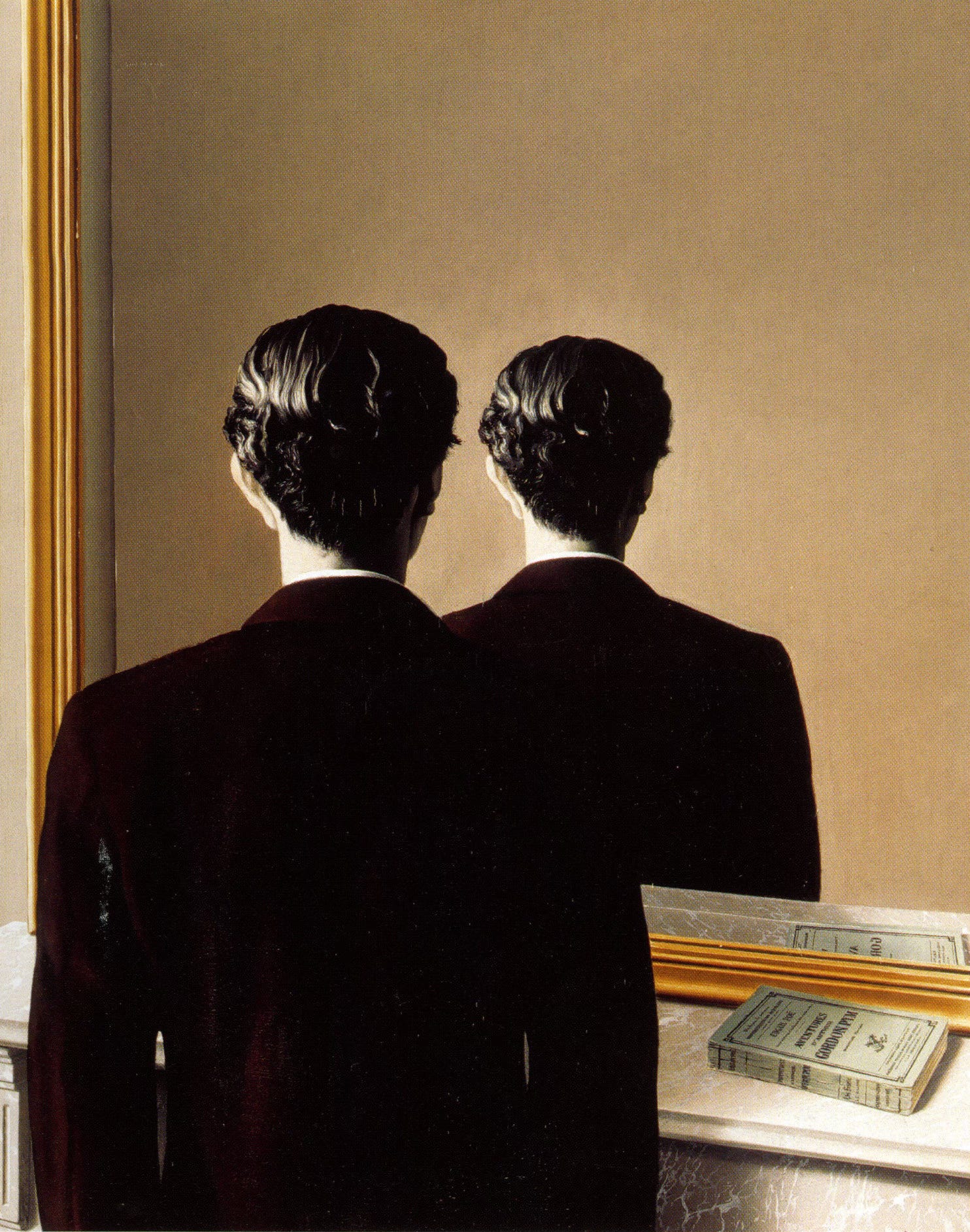
Nearly a century later, I am leaving my company.
Comparing a corporate job to a devastating war can be seen by some as insulting. I won’t pretend that walking into an office and answering e-mails gave an ounce of the anguish experienced by victims of such atrocities.
But there are some parallels that can be drawn.
Politics. Finances. Hierarchy. Strategy. Alliances.
And, behind our screens, soldiers.
And we do get shell shock.
If you agree, I highly recommend:
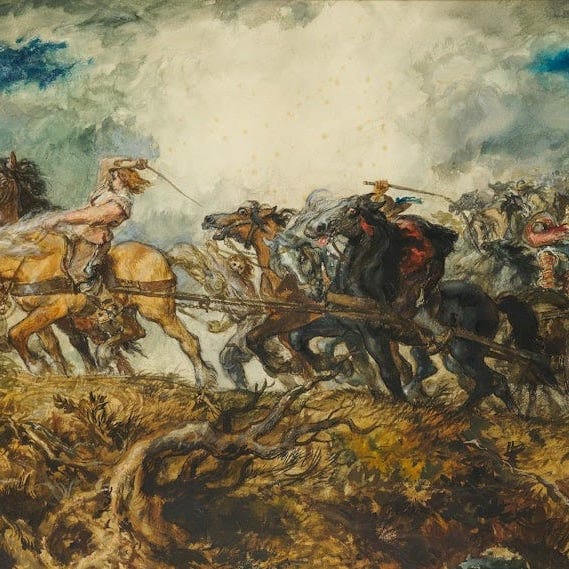
In 2018, I got the phone call I thought would never come.
Six months earlier, I moved from a college town in the quaint Midwest to a steel and glass metropolis on the West Coast. I worked at a cacophonous grocery store to make ends meet while I waited for the call. And finally, here it was — a job in my field. The interview went swimmingly. The company was vibrant and exciting. I was in.
My first year was one of adventure. I formed a close bond with another scientist. Our boss was goofy. The lab was a pigsty. We had fun. I was bright-eyed and bushy-tailed, a bubbling fount of continuous improvements. I pitched my ideas. I cleaned up the lab. I got us up to standards. I was unstoppable.
Then I got promoted.
Unlike Graves and many other memoirists, I don’t know if I could be so open about my experience when the dark clouds rolled over my sunny hillside. And I don’t know if I can pinpoint exactly when the assassination of the archduke was. For the longest time, I didn’t even know I was in a war.
I didn’t know I was in a war until they had to carry me out in a basket.
Shell shock.
Before PTSD was recognized, soldiers’ reaction to war went by a variety of names. Around WWI, it was called shell shock, referring to the neuroses seen after close contact with exploding shells on the front. Soldiers exhibited a number of curious behaviors, such as hyperactivity, sensitivity to light and noise, involuntary movements, mutism, and catatonia. In severe cases, they had to be carried away on a stretcher.
In even more severe cases, they were executed for cowardice.
By 2021, I was shivering so hard in my desk chair that my abs cramped. I couldn’t focus. I would inexplicably lose my ability to speak in meetings. My ears would ring. I began to experience profound memory loss.
I was afraid to say anything. I had to get control of myself. I wanted to quit, to do literally anything else. I had this strange and pervasive feeling that if something didn’t change, I was going to die.
But this was my career on the line. I couldn’t be a coward. I was such an achiever and so beloved for my performance that failing now would cause everyone to lose faith in my abilities.
One afternoon, after a particularly bad meeting, I finally cracked. I began muttering to myself and went catatonic in the parking lot.
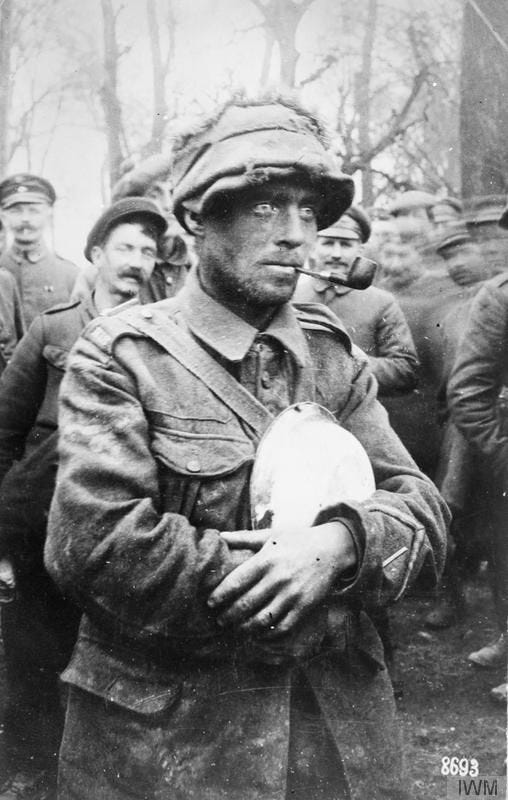
Reconstruction.
Have you ever heard accounts of when the war officially ends, but things aren’t right for a long time after?
Cleaning up the devastation.
Coming back to find your home rented by another family.
Crossing the street to avoid passing others on the sidewalk.
Lack of eye contact. Unsure if you should shake hands.
Some of the people you knew from before the war are still there, but they’re changed.
And many more are gone.
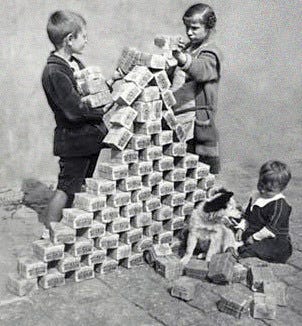
That’s what a pandemic, a doomed project, continuous reorgs, poor structure, social isolation, and fragmented work days did to lead me to slump over at my steering wheel with a thousand-yard stare.
And gosh, it’s hard to know when things turned the corner. A lot had to change. And it took years.
But it started when an officer two ranks up dragged my limp body into that basket and pulled me away from the shells. And that basket ride woke me the hell up to reality.
Work is war.
There are stunning impacts of our modern work life, the institutions that have built it, and the damage that isolation and lack of support can have on workers.
Many of these workers, these soldiers, are in the trenches every day, accumulating mental scars.
Nurses. Teachers. Social workers. EMTs. Therapists. Tech workers. Even when the curtains are drawn shut and the screens go dark for the night, they are never off duty. They are haunted.
And their organizations are doing so little to improve it.
That’s why, when I found out last year that I was being laid off — that I, as a soldier, had done my duty and was being sent home — I decided to do something about it.
I did the equivalent of joining the Red Cross.
And I’m going back out on the lines to help others through corporate shell shock.
If the war didn’t happen to kill you, it was bound to start you thinking.
- George Orwell
As for the war? Good-bye to all that.
Today I stood in my lab. My empty lab. On Friday, I will have to say good-bye.
My heart.
Will I miss my job? Mmm, maybe. Maybe not.
I will certainly miss the people I lost along the way, my comrades, all those who lifted me up when I fell down.
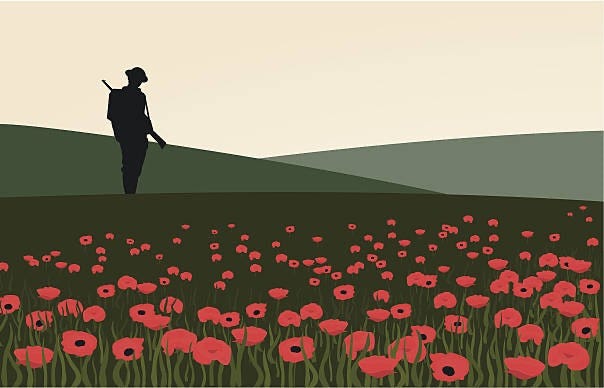
There was so much to be grateful for. But it’s time to roll around in a field of flowers, pet dogs, and collect cat whiskers in a vase.
As always, an awesome piece, (I’m glad I finally got to it!)
The way you have paralleled the war of the workplace with the corporate element of war is very well done and you are right that the principle is the same.
Staff (soldiers) being used and exploited and then thrown to the wayside when the realities of the dysfunction catches up to them.
I’m really happy for you that you have some quality time for yourself, the beauty of being a hard worker is that now that you have some forced time to rest you shouldn’t feel gland for not being in work.
Use this time to have some proper rest, enjoy not having to rush in for work, and then when you’re ready you can start to evaluate what projects you’d like to get your involved in. But don’t rush, you deserve some downtime.
P.S thank you for the shoutout too :)
On the off chance you haven’t seen it, I highly recommend you google the old George Carlin routine about how they got from shell shock to combat fatigue and eventually all the way to PTSD. Has a real corporatization feel now that I think of it. Weirdly and maybe masochistically, I sometimes fantasize about being laid off so I can take the risks I can’t justify while I have a “decent” (read: lucrative but soul sucking) job. I hope this offers you any pent up interests you may have been storing for such a rainy day.